How Sprinkler Zones Are Designed (and Why It Matters)
Good zoning is the difference between a lawn that is evenly green and one with permanent dry corners. Here is how professional design works.
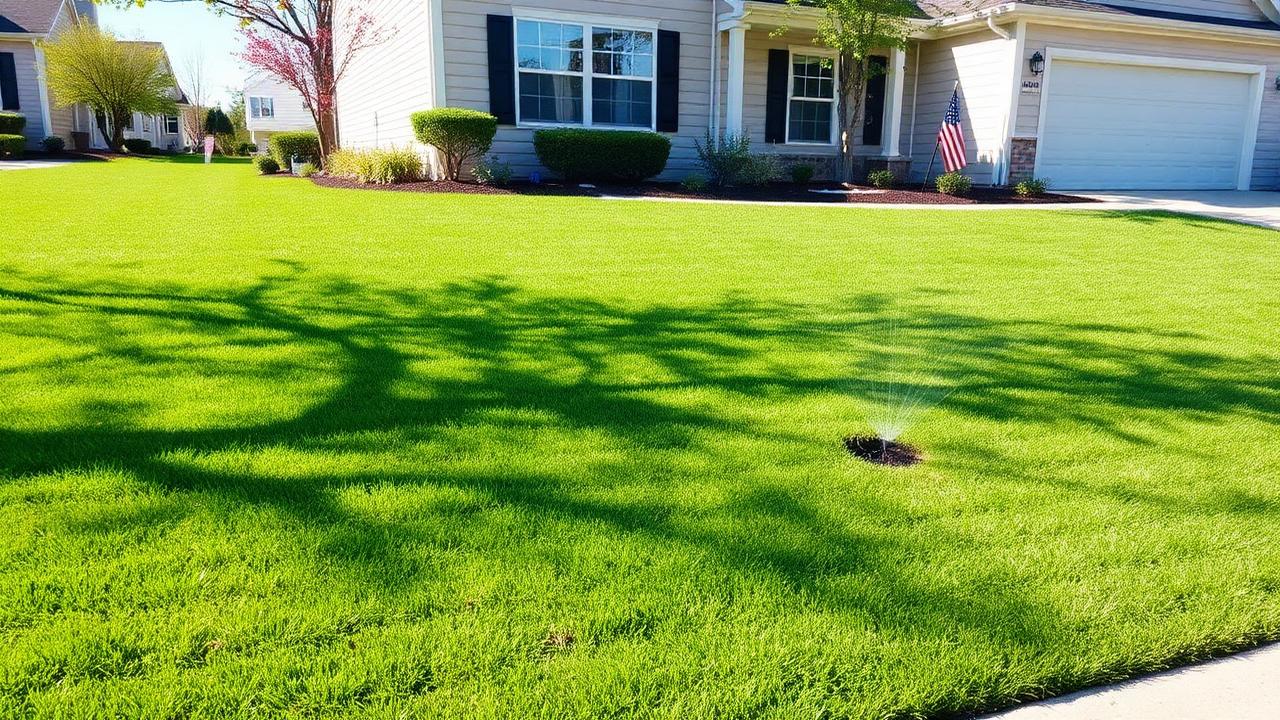
Zoning starts with water, not with grass
Before any head is placed, we measure static pressure and available flow at the service. Those two numbers set a hard ceiling on how many heads can run at once. Overloading a zone is the most common flaw in DIY and low-bid systems: every head runs at low pressure, arcs collapse, and coverage falls apart at the edges.
Head-to-head coverage
Sprinkler heads are designed so that spray from one head reaches the next. Anything less leaves dry rings. Proper spacing on a rectangular lawn is roughly 50% of the head's rated radius, tightened further in windy exposures.
Group by condition, not by convenience
Zones should group areas with the same watering needs:
- Front lawn full sun vs. rear lawn under mature trees
- Slopes, which need cycle-and-soak to prevent runoff
- Narrow boulevards and side yards, which use different nozzles entirely
- Garden beds, always on their own drip zone
Mixing full sun turf with shaded turf on one valve guarantees that one of them is watered wrong.
Matched precipitation rate
Within a zone, every nozzle should apply water at the same rate. Mixing rotors with sprays on one valve produces areas that get triple the water of their neighbours in the same run time.
Why it matters later
Zoning decisions are permanent once the pipe is in the ground. Correcting a badly zoned system means trenching again. This is why we design from a measured site plan, model each zone's flow, and confirm the layout with you before installation day.