Smart Irrigation Controllers: Are They Worth It in the GTA?
Wi-Fi controllers adjust watering to local weather. Here is what they actually save on a Toronto-area water bill and where they fall short.
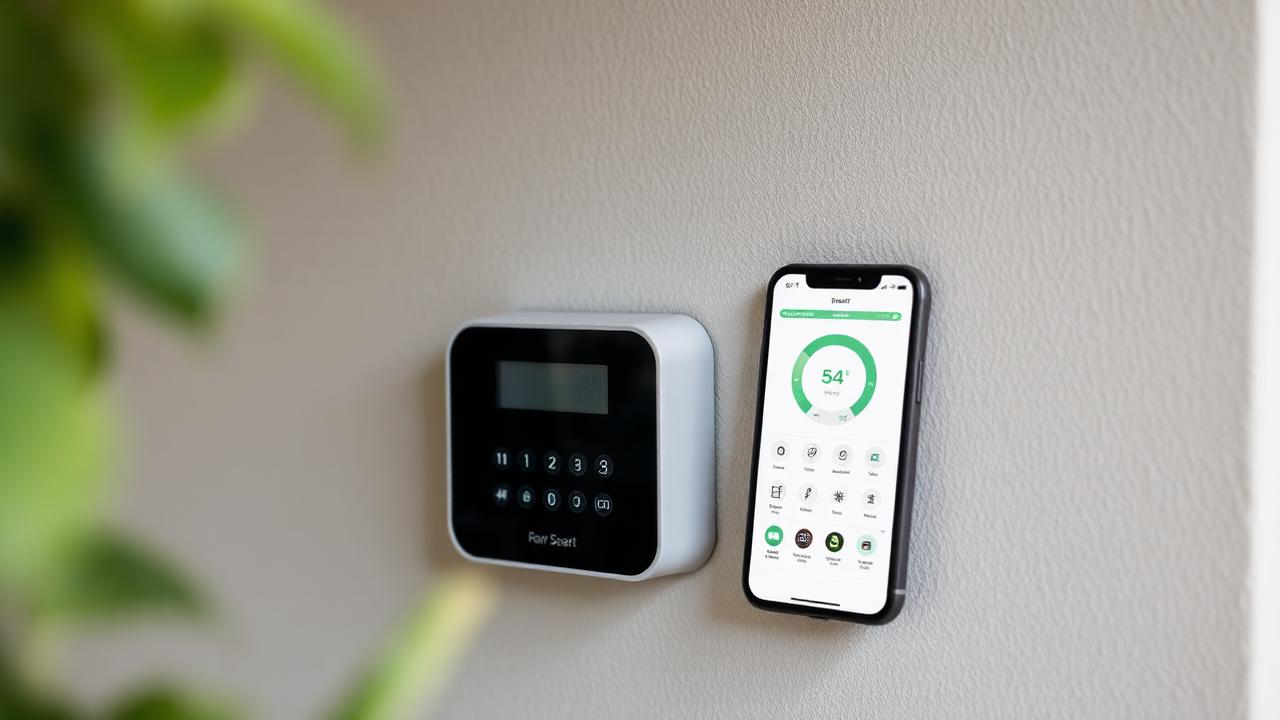
What a smart controller really does
A smart controller pulls local weather data or reads on-site sensors and adjusts run times daily. Instead of a fixed "20 minutes, three days a week," the system waters more during a heat wave and skips entirely after rainfall.
Realistic savings for Southern Ontario
Independent field studies of weather-based controllers report 20-40% reductions in outdoor water use compared with fixed schedules. In the GTA, where summer rainfall is inconsistent and July-August evapotranspiration spikes, most of the saving comes from skipped cycles in June and September.
Features that matter
- Local weather adjustment, ideally with a rain sensor as backup
- Zone-level configuration: soil type, slope, sun exposure, head type
- Flow monitoring on higher-end models, which catches a stuck valve or a broken lateral within one cycle
- Remote access so you can pause the system from your phone during a landscaping visit
Where they disappoint
A smart controller cannot fix bad hydraulics. If a zone has poor head-to-head coverage, mismatched nozzles or pressure problems, automation just repeats the same uneven watering more precisely. Fix coverage first, then automate.
Retrofit or replace?
Most existing systems retrofit cleanly: the valve wiring lands on the new controller and the install takes an hour. Systems with more zones than the controller supports need an expansion module.
Ask for a smart controller upgrade when you request a quote and we will include it as a line item so you can compare it against your current water usage.